Pet Waste Station Inspection: A Guide to Property Compliance & Safety
A complete guide to station maintenance, compliance standards, inspection techniques, and the tools that keep community spaces clean.
Key Takeaways
Pet waste stations are critical passive sanitation systems designed to contain bacteria and environmental pollutants.
Regular inspections are required to ensure dispenser functionality, post structural integrity, and lid closure.
Key inspection points include mounting stability, bag tension, hardware corrosion, and signage legibility.
Documentation of inspections is vital for HOAs and commercial properties to meet local health and safety bylaws.
Non-compliant stations lead to “ground-dropping,” which increases property liability and decreases curb appeal.
The Barrier Between Cleanliness and Contamination
On any managed property, whether a luxury apartment complex or a sprawling HOA, pet waste does not stay contained. Without a functional disposal system, waste spreads into common areas, water runoff, and high-traffic zones used by residents. Pet waste stations act as the first line of defense. They are engineered systems designed to support responsible pet ownership and maintain environmental hygiene.
However, a waste station is only effective if it is properly maintained. A station with a jammed dispenser, a rusted structure, or a missing lid becomes a liability instead of a solution. For property managers, facility directors, and groundskeepers, understanding how to inspect and maintain these systems is essential for keeping spaces clean, safe, and compliant.
What Is a Pet Waste Station Assembly
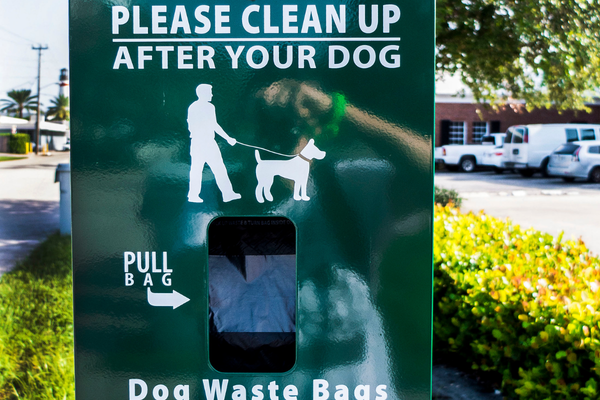
In professional inspections, the focus is on the entire assembly rather than a single component. A pet waste station includes the mounting post, signage, bag dispenser, waste receptacle, and all supporting hardware. Each part must function correctly to maintain sanitation and usability.
Pet waste stations serve three essential functions:
Containment, keeping waste and harmful pathogens away from foot traffic and water sources
Accessibility, ensuring bags are available where they are needed
Odor mitigation, using lids and proper containment to maintain air quality
Commercial Inspection Standards
Pet waste stations are not governed by fire codes, but they are subject to local health ordinances and property management standards. A failing station is any unit that cannot dispense bags or safely contain waste.
| Inspection Item | Max Tolerance/Criteria | Typical Location |
|---|---|---|
| Post Lean | Max 5° from vertical | Turf areas, dog parks |
| Dispenser Opening | Clear of debris or rust | Eye level |
| Lid Gap | Max 1/4″ when closed | Waste can top |
| Signage Visibility | Legible from 20 feet | High-traffic pathways |
| Base Hardware | Zero loose or missing bolts | Ground level |
How Stations Fail: The Most Common Deficiencies
Most failures result from environmental wear that goes unnoticed without routine inspection.
Excessive corrosion, caused by pet urine, which can weaken metal posts and receptacles over time
Dispenser jamming due to incorrect bag sizes or low-quality materials
Open lid issues, allowing rainwater to collect and create hazardous waste buildup
Faded or missing signage, reducing user compliance and visibility
Pet Waste Station Inspection Checklist
| Inspection Item | Pass Criteria | Tool/Action Needed |
|---|---|---|
| Post Stability | No movement when pushed | Physical stress test |
| Dispenser Latch | Door locks and unlocks cleanly | Key or lock lubricant |
| Bag Tension | One bag pulls without tearing | Pull test |
| Lid Self-Closure | Closes fully without assistance | Hinge check |
| Can Integrity | No holes or structural damage | Visual inspection |
| Odor Control | Interior sanitized and deodorized | Cleaning solution |
Frequently Asked Questions (FAQs)
How often should pet waste stations be inspected
For commercial properties and HOAs, inspections should be conducted weekly. High-traffic areas such as dog parks may require more frequent checks to ensure dispensers remain stocked and functional.
Can any bag fit into a commercial dispenser
No. Using incompatible bags can cause jamming or improper dispensing. It is important to use bags specifically designed for the dispenser type.
What is the most common cause of station failure
Corrosion at the base of the post is the most frequent issue. Regular inspection and stress testing help identify early structural weakness.
Are lidded cans required
While not always required by code, lidded cans are strongly recommended to prevent rain, pests, and contamination.
How should vandalized stations be handled
Damaged stations should be marked out of service immediately. Repairs should be documented and completed promptly to reduce liability.
Conclusion: Consistency Is the Key to Cleanliness
Pet waste management is an essential part of property maintenance. Every malfunctioning dispenser or unstable post represents a break in the sanitation system. By following a structured inspection process and maintaining all components, properties can remain clean, safe, and welcoming.
For property managers committed to maintaining high standards, the approach is simple. Inspect regularly, address issues immediately, and ensure every station functions as intended.
Visit Clean Yard to learn how professional sanitation services can help maintain a cleaner environment.